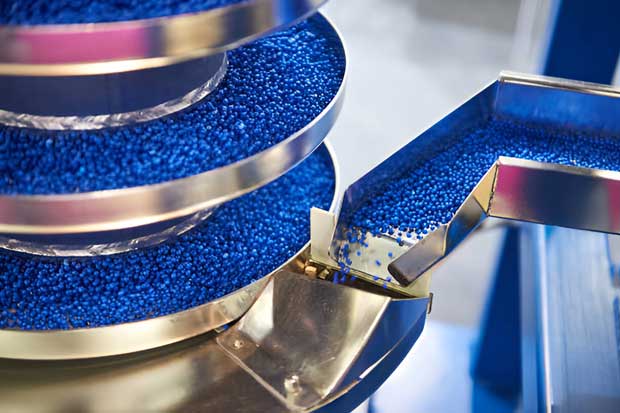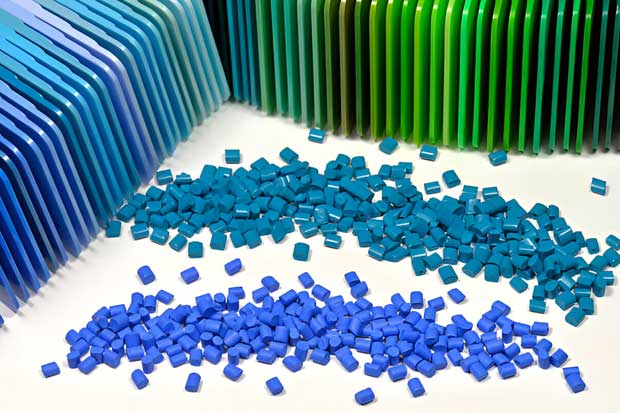

Polymer Additives for Medical Applications: Ensuring Safety and Compliance focuses on the crucial role of polymer additives in ensuring that medical plastics meet the required safety, regulatory, and performance standards. Plastics used in medical applications, such as medical devices, drug delivery systems, packaging, and diagnostic equipment, must meet stringent safety criteria to prevent adverse effects on patients and healthcare workers. Polymer additives are incorporated into medical plastics to enhance their properties, improve processability, and ensure the final products meet the strict requirements for safety, performance, and regulatory compliance.
1. Understanding the Role of Polymer Additives in Medical Applications.
Polymer additives are compounds added to base polymers during the manufacturing process to improve their properties and functionalities. In medical applications, these additives are used to:
- Enhance Durability: Ensuring that medical plastics can withstand physical stress, repeated handling, sterilization, and environmental conditions.
- Improve Biocompatibility: Ensuring that materials do not cause adverse reactions when in contact with body tissues or fluids.
- Provide Processability: Making it easier to mold, shape, or extrude plastic materials into the desired medical device forms.
- Add Specific Functionalities: Providing characteristics such as anti-microbial properties, UV resistance, color stability, and transparency.
- Ensure Regulatory Compliance: Complying with safety and regulatory standards set by agencies like the FDA, European Medicines Agency (EMA), and other regulatory bodies.
Given the critical role of medical devices in patient health and safety, the additives used in medical-grade polymers must be carefully selected and thoroughly tested.
2. Types of Polymer Additives Used in Medical Applications.
Several categories of polymer additives are commonly used in medical devices and other healthcare products. These include:
a. Stabilizers
Stabilizers are used to protect polymer materials from degradation due to heat, UV light, or oxidative stress. For medical applications, stabilizers ensure that the polymer retains its integrity during processing, sterilization, and over the product’s lifetime.
- UV Stabilizers: Prevent degradation of the polymer when exposed to sunlight or artificial light. For example, UV stabilizers are crucial for medical packaging materials exposed to light during storage or transport.
- Heat Stabilizers: Help prevent thermal degradation during manufacturing and sterilization processes. This is particularly important for medical devices that undergo autoclaving or other high-heat sterilization techniques.
b. Plasticizers
Plasticizers are used to make polymer materials more flexible, soft, and easier to process. They are particularly important for flexible medical applications such as medical tubing, catheters, and blood bags.
- Biocompatible Plasticizers: In medical applications, it is critical to use non-toxic plasticizers that do not leach harmful substances into the body. Traditional plasticizers like phthalates are being replaced with more biocompatible alternatives such as citric acid esters and succinates.
c. Antioxidants
Antioxidants are additives that protect polymers from oxidative degradation, which can compromise their mechanical properties and biocompatibility. Oxidation can occur during the polymer’s production, storage, or exposure to harsh conditions in medical applications.
- Phenolic and Phosphite Antioxidants: These additives prevent oxidative breakdown of polymer chains, thus improving the shelf life and functionality of medical products like IV bags, blood collection tubes, and implantable devices.
d. Antimicrobial Agents
Medical plastics used in devices that come into contact with patients are often required to have antimicrobial properties to prevent infections and microbial growth. These additives are particularly important in environments such as hospitals, clinics, and surgical settings.
- Silver-based Additives: Silver ions are widely used as antimicrobial agents because of their ability to disrupt microbial growth. Silver-based additives are incorporated into plastics used in wound care products, surgical instruments, and even catheter devices.
- Copper and Zinc Additives: Like silver, copper and zinc are effective antimicrobial agents and are often used in medical products to inhibit bacterial growth.
e. Colorants and Pigments
Colorants are used in medical polymers for a variety of purposes, including identification, aesthetic appeal, and ensuring proper usage. For example, color-coding medical tubing or devices can aid in preventing mishaps or errors during medical procedures.
- Non-toxic Colorants: Since colorants come into direct contact with patients or healthcare workers, it is essential to ensure that they are non-toxic, stable under sterilization conditions, and resistant to leaching.
f. Fillers and Reinforcements
Fillers and reinforcements are added to improve the mechanical properties, strength, and rigidity of medical plastics. These additives help medical devices endure physical stress and maintain shape and functionality under normal operating conditions.
- Glass Fibers and Carbon Fillers: Commonly used for structural components of medical devices that require high strength and dimensional stability. For example, these fillers are often used in surgical instruments or diagnostic devices.
g. Flame Retardants
In certain medical applications, flame retardants are essential to ensure safety in case of fire hazards, especially in devices that might be exposed to high heat.
- Non-halogenated Flame Retardants: These are preferable in medical applications, as halogenated flame retardants can be toxic and problematic when exposed to heat. Non-halogenated options provide fire resistance without compromising the safety or biocompatibility of the device.
3. Ensuring Safety and Biocompatibility in Medical Additives.
One of the most important considerations for any additive used in medical applications is biocompatibility—ensuring that the material does not cause adverse reactions in the body. Medical device manufacturers must adhere to specific biocompatibility standards such as:
- ISO 10993: This standard outlines the testing requirements for medical devices, including evaluations for cytotoxicity, sensitization, irritation, and systemic toxicity.
- USP Class VI Testing: The United States Pharmacopeia (USP) provides guidelines to evaluate the safety of medical plastics, with Class VI being the highest classification for materials used in direct contact with human tissues or fluids.
- FDA Compliance: In the United States, the FDA regulates medical devices under its 21 CFR Part 820. Manufacturers must demonstrate that their products, including any additives, meet these regulatory requirements for safety and performance before they are allowed in the market.
Biocompatibility testing involves assessing potential risks such as:
- Leaching of Additives: Additives must not leach harmful substances into the body or interfere with the biological environment. For example, certain plasticizers can migrate from flexible materials into body fluids, which could cause toxicity or allergic reactions.
- Toxicity and Sensitization: Additives must not induce adverse reactions, such as skin sensitization, or cause toxic effects when exposed to the body’s immune system. Non-toxic, FDA-approved additives are a key part of ensuring medical device safety.
- Sterilization Compatibility: Some additives can break down or become unstable when exposed to sterilization methods such as autoclaving, ethylene oxide treatment, or radiation. Additives must maintain their stability and safety throughout sterilization processes.
4. Regulatory and Compliance Considerations for Additives in Medical Applications.
The use of polymer additives in medical devices is highly regulated. Key regulatory bodies require manufacturers to adhere to specific guidelines to ensure patient safety, including:
- FDA (Food and Drug Administration): In the United States, the FDA requires manufacturers to provide evidence that their medical devices meet safety and efficacy standards before approval for use in healthcare settings. This includes ensuring that any additives used in medical plastics comply with FDA guidelines for biocompatibility and toxicity.
- European Medicines Agency (EMA): In Europe, the EMA sets stringent standards for medical device materials, ensuring that any additives used in medical plastics meet the requirements for safety, sterility, and performance.
- Health Canada and Other Regulatory Bodies: Countries outside of the U.S. and Europe, such as Canada and Japan, also have regulatory frameworks that require safety testing and approval of additives used in medical applications.
Manufacturers need to conduct rigorous testing and documentation to demonstrate that the additives they use do not interfere with the safety, effectiveness, or regulatory compliance of the medical device. This can involve providing detailed risk assessments, biocompatibility testing reports, and compliance certificates for each additive.
5. Current Trends in Medical Polymer Additives.
Several trends are shaping the future of polymer additives for medical applications:
- Sustainability and Green Additives: With growing concerns about environmental impact, there is a push towards using biodegradable and sustainable additives in medical polymers. This includes the use of bio-based plasticizers, non-toxic stabilizers, and additives derived from renewable resources.
- Smart Additives: The development of “smart” additives, such as those that respond to changes in environmental conditions (e.g., pH-sensitive or temperature-sensitive additives), is gaining traction. These additives offer enhanced functionality for medical applications like drug delivery systems and diagnostic devices.
- Regulatory Advancements: With increasing regulations on medical devices, especially in terms of environmental and safety concerns, manufacturers are focusing on improving compliance with standards such as ISO 10993 and FDA guidelines.
6. Conclusion.
Polymer additives play a critical role in ensuring the safety, performance, and regulatory compliance of medical plastics. These additives improve the material properties, enhance biocompatibility, and extend the lifespan of medical devices. Given the importance of safety in healthcare settings, medical-grade polymer additives must meet rigorous standards for toxicity, sterilization, and overall patient safety. With the ongoing development of sustainable and advanced additives, the future of medical polymers looks set to evolve to meet both patient needs and regulatory requirements, ensuring safer and more effective medical devices for improved healthcare outcomes.