
“Metallic Stearates in Plastic Processing: Benefits Beyond Lubrication”
Metallic stearates, primarily composed of metal salts of stearic acid, play a crucial role in plastic processing. Stearic acid itself is a fatty acid that binds with metals like calcium, zinc, magnesium, and aluminum, forming stearate salts. These compounds are widely used in the production of various plastic products due to their diverse properties that go beyond lubrication. Here’s a detailed look at how metallic stearates benefit plastic processing in ways other than lubrication.
1. Lubrication and Processing Efficiency
While lubrication is the most well-known benefit of metallic stearates, their influence extends beyond merely reducing friction. Stearates ensure smoother processing of plastics by acting as internal and external lubricants. This results in:
- Improved flow characteristics during extrusion and molding processes.
- Reduced wear and tear on equipment, leading to longer machine life.
- Easier release of molded parts from molds, preventing sticking or deformation.
These lubricating properties reduce energy consumption, increase production rates, and allow for more consistent quality in the end products.
2. Processing Control and Stabilization
Metallic stearates serve as processing aids that influence the thermal and mechanical properties of plastic materials. Their stabilizing effects include:
- Heat Stability: Metallic stearates can enhance the thermal stability of plastics during high-temperature processing, which is crucial for maintaining polymer integrity and preventing degradation.
- Viscosity Control: They help maintain an optimal viscosity range during plastic compounding, ensuring that the plastic formulation has the desired flow characteristics and stability.
- Anti-Blocking Agents: Stearates act as anti-blocking agents, particularly in the production of films, where they prevent the films from sticking together in rolls or during storage.
3. Improved Surface Appearance
Metallic stearates have a significant impact on the surface finish of plastic products:
- Gloss and Smoothness: The presence of metallic stearates in plastic formulations can improve the gloss and smoothness of molded parts or films.
- Reduced Surface Defects: By minimizing friction during processing, stearates help reduce surface imperfections such as scratches, streaks, or haze, resulting in higher-quality, aesthetically pleasing products.
4. Antioxidant and UV Protection
Some metallic stearates, particularly zinc stearate, offer antioxidant properties that protect plastics from degradation caused by heat and oxidation. This prolongs the life of plastic materials by:
- Preventing Thermal Degradation: Metallic stearates can neutralize or mitigate the effects of thermal oxidative degradation during processing.
- UV Resistance: Certain stearates, like zinc and calcium stearate, provide a degree of protection against ultraviolet (UV) radiation, helping plastics maintain their color, strength, and durability when exposed to sunlight or other UV sources.
5. Processing Versatility
Metallic stearates offer versatility across a range of plastic types and processing techniques:
- Polyolefins: Commonly used in the extrusion and injection molding of polyethylene (PE) and polypropylene (PP) due to their excellent lubrication and anti-blocking properties.
- PVC (Polyvinyl Chloride): Zinc stearate is a key stabilizer and lubricant in PVC processing, providing enhanced flow properties and surface quality.
- Other Polymers: They are also beneficial for engineering plastics like nylon, PET, and polystyrene, aiding in the overall processing efficiency and quality of the end product.
6. Compatibility with Additives and Fillers
Metallic stearates are compatible with a wide range of additives and fillers used in plastic formulations. These include:
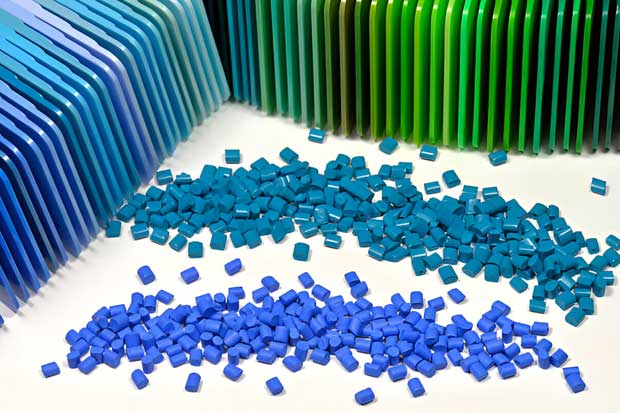
- Pigments and Dyes: They aid in dispersing pigments and dyes, ensuring even color distribution without clumping or settling.
- Flame Retardants and Reinforcements: Stearates support the dispersion of flame retardants, glass fibers, or other reinforcing agents in plastic formulations.
- Antistatic Agents: Stearates contribute to the effectiveness of antistatic agents, reducing static build-up on plastic surfaces.
7. Cost-Effectiveness and Performance
Using metallic stearates is often a cost-effective way to enhance the processing of plastics. They:
- Are generally inexpensive compared to other stabilizers or additives.
- Help in reducing the need for higher-end processing aids, reducing overall production costs.
- Provide a balance of performance and cost, making them widely popular in large-scale manufacturing processes.
8. Environmental and Safety Considerations
In recent years, there has been a growing focus on the environmental impact and safety of additives in plastics. Metallic stearates, particularly zinc stearate, are considered relatively safe for use in plastics and comply with various regulatory standards, such as FDA and REACH. Additionally:
- They are often derived from naturally occurring sources (stearic acid), which is biodegradable.
- Modern formulations are being developed to reduce potential toxicity or environmental impact, making them increasingly sustainable.
Conclusion
Metallic stearates go far beyond their initial function as lubricants in plastic processing. Their multifaceted role in improving processing efficiency, stabilizing polymer properties, enhancing surface quality, and offering additional benefits like UV protection and antioxidant effects makes them invaluable in the plastics industry. By integrating metallic stearates, manufacturers can achieve a higher level of product quality, processing reliability, and cost efficiency, with applications spanning a wide range of polymer types and processing techniques. As sustainability concerns grow, these additives are also being optimized for safety and environmental impact, ensuring their continued relevance in future plastic production.