
“The Impact of Additives on the Performance of Bioplastics”
Bioplastics, derived from renewable resources like corn starch, sugarcane, and vegetable oils, are considered a more sustainable alternative to traditional petroleum-based plastics. As the world faces growing environmental concerns over plastic pollution and the depletion of fossil resources, bioplastics have gained increasing attention for their potential to reduce carbon footprints and offer biodegradable or compostable alternatives. However, bioplastics often face performance challenges in terms of mechanical properties, processing, and durability when compared to conventional plastics. Additives play a crucial role in overcoming these challenges, enhancing the performance of bioplastics, and ensuring their competitiveness in various applications.
1. Types of Additives Used in Bioplastics
Additives in bioplastics are incorporated to improve specific properties such as flexibility, strength, heat resistance, processing ease, and durability. These additives are similar to those used in conventional plastics but may be specially formulated to ensure compatibility with bioplastic materials. Key categories of additives include:
- Plasticizers
- Stabilizers
- Impact Modifiers
- Fillers
- Flame Retardants
- UV Stabilizers
- Antioxidants
- Colorants
- Antimicrobial Agents
2. Plasticizers
Plasticizers are commonly added to bioplastics to improve flexibility and reduce brittleness, making them more suitable for a variety of applications. Most bioplastics, such as polylactic acid (PLA) or polyhydroxyalkanoates (PHA), tend to be brittle at room temperature and require plasticizers to enhance their performance, particularly for flexible films, coatings, and packaging materials.
- Effect on Performance: Plasticizers soften bioplastics, making them more flexible and easier to process. For instance, plasticizers like citrate esters or vegetable oil derivatives can enhance the tensile strength and elongation at break of PLA, enabling it to be used in applications like food packaging, where flexibility is needed.
- Challenges: While plasticizers improve the flexibility and processing of bioplastics, they may also affect the biodegradability of the material. In some cases, the addition of certain plasticizers can hinder the compostability of bioplastics, which may limit their environmental benefits.
3. Stabilizers
Bioplastics, especially those made from plant-based materials, are often prone to degradation under UV light, heat, and oxygen exposure. Stabilizers are essential additives that enhance the thermal and UV stability of bioplastics, preventing premature breakdown and ensuring long-term durability in end-use applications.
- Thermal Stabilizers: These additives are used to prevent degradation during processing, especially in high-temperature applications. For example, antioxidants and metal-based stabilizers can improve the heat resistance of PLA and PHA during extrusion or injection molding.
- UV Stabilizers: Bioplastics used for outdoor applications (e.g., agricultural films or outdoor furniture) are vulnerable to UV degradation, leading to discoloration, loss of strength, and embrittlement. UV stabilizers, such as hindered amine light stabilizers (HALS), help protect bioplastics from these effects, ensuring their performance and longevity.
- Effect on Performance: The incorporation of stabilizers significantly enhances the durability of bioplastics in various environmental conditions, making them more reliable for longer-term applications.
4. Impact Modifiers
Impact modifiers are additives that improve the toughness and resistance to brittle fracture of bioplastics. Many bioplastics, such as PLA, have limited impact resistance, which restricts their use in products subjected to mechanical stress or outdoor conditions.
- Effect on Performance: Impact modifiers, including elastomers or rubber-based materials, are added to improve the impact strength of bioplastics. For example, modifying PLA with rubber-like materials can increase its resistance to cracking or breaking upon impact, making it suitable for use in more demanding applications like automotive parts or protective packaging.
- Challenges: The inclusion of impact modifiers can sometimes compromise other desirable properties, such as biodegradability or transparency, depending on the type of modifier used.
5. Fillers
Fillers are added to bioplastics to improve mechanical properties, reduce costs, and modify their physical characteristics. Common fillers include mineral powders (e.g., calcium carbonate), natural fibers (e.g., wood flour, hemp fibers), and other biodegradable materials.
- Effect on Performance: Fillers can enhance the rigidity and strength of bioplastics while reducing their overall cost. For example, adding cellulose or starch-based fillers to PLA can improve its stiffness and thermal resistance. Additionally, natural fibers can provide additional reinforcement to bioplastic formulations, making them stronger and more resilient.
- Challenges: The inclusion of fillers can sometimes reduce the overall biodegradability of the material, depending on the type of filler and its compatibility with the bioplastic. Some fillers may also negatively affect the processing behavior of bioplastics, leading to increased difficulty during manufacturing.
6. Flame Retardants
Flame retardants are essential for improving the fire resistance of plastics, including bioplastics, used in applications where safety regulations require them to resist combustion.
- Effect on Performance: Flame retardants can help bioplastics meet stringent fire safety standards without compromising their structural integrity. For instance, phosphorus-based flame retardants can be used in PLA to improve its flame resistance, particularly in electrical or building materials applications.
- Challenges: The use of certain flame retardants can raise concerns over toxicity and environmental impact. Bioplastics may require non-toxic, eco-friendly flame retardants to maintain their sustainable appeal.
7. UV Stabilizers
As mentioned earlier, bioplastics exposed to sunlight can suffer from UV-induced degradation, leading to color fading, surface cracking, and reduced mechanical properties. UV stabilizers help mitigate this issue by absorbing or neutralizing UV rays, preserving the appearance and functionality of bioplastic products exposed to sunlight.
- Effect on Performance: UV stabilizers are essential for bioplastics used in outdoor applications, such as biodegradable agricultural films, packaging, and outdoor furniture. They help prevent degradation and ensure that the bioplastics maintain their integrity throughout their useful life.
- Challenges: The formulation of UV stabilizers for bioplastics requires careful consideration of the material’s biodegradability and the potential for environmental accumulation of stabilizer residues.
8. Antioxidants
Antioxidants are critical for preventing oxidative degradation, particularly when bioplastics are exposed to high temperatures during processing or long-term exposure to oxygen.
- Effect on Performance: Antioxidants protect bioplastics from oxidative damage, which can otherwise lead to the breakdown of the polymer chains, discoloration, and loss of mechanical properties. For example, adding antioxidants to PLA can improve its resistance to oxidation during the extrusion process, improving the final product’s quality and stability.
- Challenges: Like stabilizers, the inclusion of antioxidants may slightly alter the biodegradability of bioplastics, requiring careful selection of eco-friendly antioxidants to maintain the sustainability of the final product.
9. Colorants and Dyes
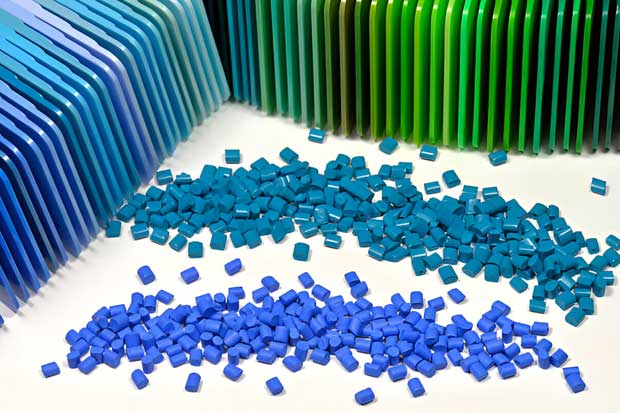
Colorants and dyes are commonly used in bioplastics to enhance aesthetic appeal. Bioplastics, especially those based on PLA, are often produced in transparent or natural hues, but colorants can be added to meet market demand for vibrant colors.
- Effect on Performance: Colorants can provide visual appeal to bioplastics used in consumer products, packaging, and toys. Some pigments, like natural dyes derived from plants or minerals, may also contribute to the overall environmental sustainability of the material.
- Challenges: The use of colorants can affect the recyclability and compostability of bioplastics if non-biodegradable or toxic materials are used. Therefore, careful selection of colorants that are compatible with the bioplastic’s intended end-of-life process is essential.
10. Antimicrobial Agents
Antimicrobial additives are incorporated into bioplastics to prevent the growth of bacteria, fungi, and other microorganisms, especially in applications where hygiene and cleanliness are paramount, such as medical devices and food packaging.
- Effect on Performance: Antimicrobial agents help maintain the surface integrity of bioplastics by inhibiting microbial growth, which can degrade the material over time. This prolongs the lifespan of bioplastic products and ensures that they remain hygienic and safe for use.
- Challenges: The long-term environmental impact of antimicrobial agents, particularly those that leach out of the material, should be carefully considered to avoid potential harm to ecosystems.
Conclusion
Additives play an indispensable role in enhancing the performance of bioplastics, enabling them to meet specific mechanical, chemical, and environmental requirements for various applications. By improving properties like flexibility, durability, heat resistance, impact resistance, and UV stability, additives allow bioplastics to compete with traditional plastics in a broader range of industries. However, as the use of additives grows, it is essential to balance performance improvements with the core sustainable attributes of bioplastics, such as biodegradability and compostability. Developing additives that align with the environmental goals of bioplastics will be crucial for maintaining their eco-friendly reputation while expanding their applications across different sectors.