“The Future of Sustainable Plastic Additives: Innovation and Eco-friendly Alternatives” delves into the progressive shift within the plastic industry toward more environmentally responsible and sustainable solutions, particularly in the realm of plastic additives. Traditionally, plastic additives have been derived from petrochemical sources and have been critical in improving the properties of plastic products. However, growing environmental concerns, particularly regarding plastic pollution, the harmful effects of certain additives, and the depletion of fossil fuels, are pushing the industry to explore innovative and eco-friendly alternatives.
1. Understanding Plastic Additives
Plastic additives are chemical compounds mixed into plastics during manufacturing to modify and enhance their physical, chemical, or aesthetic properties. These additives include:
- Plasticizers: Enhance the flexibility and workability of plastics.
- Stabilizers: Prevent degradation of plastics caused by heat, light, or oxidation.
- Flame Retardants: Reduce the flammability of plastic materials.
- Antioxidants: Protect plastics from oxidative damage.
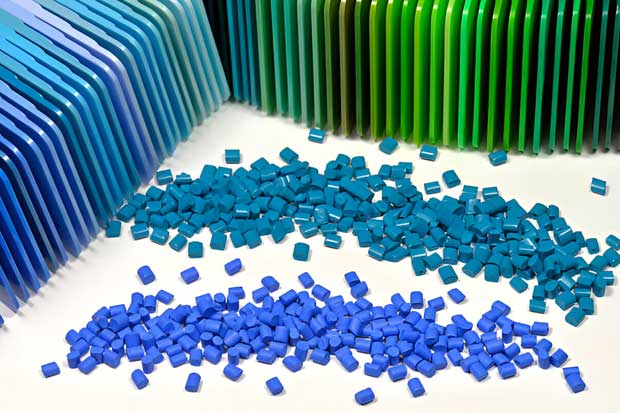
- Colorants and Pigments: Provide color and improve visual appeal.
The typical plastics used in packaging, construction materials, consumer goods, and automotive industries contain such additives, many of which have been shown to be harmful to both human health and the environment.
2. Challenges of Traditional Plastic Additives
The environmental impact of conventional plastic additives is a growing concern. Several traditional plastic additives are known to be toxic, persistent, and difficult to degrade, contributing to environmental contamination. Some additives leach out of plastic products during their lifecycle, contaminating water sources, soil, and ecosystems.
Moreover, the reliance on petroleum-based raw materials for these additives has contributed to the depletion of non-renewable resources. These factors highlight the urgency to find more sustainable alternatives to ensure plastics’ longevity does not come at the cost of the planet’s health.
3. Biodegradable and Biobased Plastic Additives
One of the most promising directions for sustainable plastic additives is the development of biodegradable and bio-based additives. Unlike traditional additives, these alternatives are derived from renewable resources like plants, algae, or fungi, reducing the need for fossil fuels.
- Biodegradable Additives: These additives are designed to enhance plastic’s ability to break down more quickly in the environment, minimizing their persistence and reducing pollution. Additives that aid in making plastics compostable or facilitating enzymatic degradation are examples of biodegradable options.
- Bio-based Additives: Sourced from renewable plant-based feedstocks, these additives aim to replace petroleum-derived compounds. For example, bio-based plasticizers from natural oils (such as castor oil) and plant sugars, instead of conventional phthalates, are gaining traction in various applications.
4. Non-toxic Alternatives
A significant innovation in sustainable plastic additives is the development of non-toxic compounds that do not pose harm to humans or wildlife. For instance, many traditional flame retardants and plasticizers are linked to endocrine disruption, cancer, and developmental toxicity. As a result, there is a push toward non-toxic replacements, including:
- Non-toxic Flame Retardants: Alternatives such as ammonium polyphosphate or those derived from natural minerals are being explored to replace harmful halogenated flame retardants.
- Safer Plasticizers: Bio-based, non-phthalate plasticizers such as citrates and sebacates are being researched as safer, more sustainable alternatives to traditional plasticizers like DEHP, which have been linked to health risks.
5. Circular Economy and Recyclable Additives
The future of sustainable plastic additives involves addressing the challenges of plastic waste and ensuring that plastic products can be part of a circular economy. Recyclability is a key aspect of the transition towards more sustainable additives:
- Additives Compatible with Recycling: Some plastic additives inhibit recycling processes, as they contaminate the recycled material, making it unsuitable for reuse. Additives that can be more easily removed during recycling or do not compromise the quality of recycled plastics are being developed.
- Recycling-Friendly Flame Retardants: Certain flame retardants, such as intumescent systems, can be engineered to work in a way that does not interfere with the recycling of plastics.
6. Green Chemistry and Advanced Technologies
Advancements in green chemistry are central to the development of eco-friendly plastic additives. Green chemistry focuses on designing chemicals that minimize toxicity, energy consumption, and waste generation. This approach leads to the creation of additives that are both effective in improving plastic properties and less harmful to the environment.
- Nanotechnology: Nanomaterials, including nanocellulose and biodegradable nanoparticles, are gaining attention for their ability to improve plastic performance while being eco-friendly. These nanomaterials may provide properties like enhanced strength, flame retardancy, and UV protection without requiring harmful additives.
- Plant-Based Polymers and Additives: Some researchers are focusing on developing entirely plant-based alternatives to traditional additives. For example, using cellulose-based additives that improve plastics’ thermal stability and overall durability.
- Enzyme-Based Additives: Some companies are exploring the use of enzymes that break down plastics in a controlled way, speeding up the degradation process when the product reaches the end of its lifecycle. This could significantly reduce plastic waste in landfills and oceans.
7. Regulatory Push and Consumer Demand
The shift towards sustainable plastic additives is also being driven by increasing regulation and consumer demand for eco-friendly products. Governments are imposing stricter regulations on hazardous substances, including certain additives in plastics, to protect both human health and the environment.
Consumers are also becoming more conscious of the environmental impact of the products they purchase. As a result, there is rising demand for eco-friendly alternatives in everyday products, pushing companies to innovate and offer sustainable solutions that align with these values.
8. Future Trends and Conclusion
As research and development in the field of sustainable plastic additives continues to accelerate, the future holds significant promise for more eco-friendly solutions. Some of the expected trends include:
- Collaboration across Industries: Collaboration between academia, industry, and regulatory bodies will be essential to push sustainable solutions into the mainstream.
- Increased Adoption of Bioplastics: The combination of sustainable additives with bioplastics—plastics made from renewable biological sources—will likely drive further innovation and eco-consciousness.
- Consumer Education: Educating consumers about the benefits of products made with sustainable additives will play a key role in supporting the transition toward greener plastic products.
In conclusion, the future of sustainable plastic additives is focused on reducing the environmental footprint of plastics while ensuring they remain functional, durable, and cost-effective. With continued innovation in biodegradable, bio-based, and non-toxic additives, coupled with advancements in recycling technologies and green chemistry, the plastic industry is poised to contribute significantly to the circular economy and global sustainability efforts.