“How Polymer Additives Enhance the Performance of Plastics in Harsh Environments” focuses on the critical role that additives play in improving the durability and functionality of plastics under extreme conditions. Plastics are versatile materials used in a wide range of applications, but their performance in harsh environments—such as exposure to high temperatures, UV radiation, chemicals, moisture, or mechanical stress—can be compromised without the proper additives. Polymer additives are incorporated into plastics to enhance their properties, making them more resilient, durable, and capable of withstanding challenging conditions.
1. Understanding the Circular Economy and Plastics
In a circular economy, the goal is to keep products and materials in use for as long as possible, recovering and regenerating them at the end of their life cycle. For plastics, this involves:
- Design for Recyclability: Designing plastic products and their additives so that they can be easily processed and reused.
- Recycling: Breaking down plastic products at the end of their useful life and reprocessing them into new materials or products.
- Reuse: Extending the life of plastic products by reusing them in their original or modified form.
- Minimizing Waste: Reducing the amount of plastic waste that ends up in landfills or the environment through efficient recycling and reuse practices.
Additives play a vital role in either enabling or obstructing these circular processes. While some additives improve the properties of plastics for recycling, others can complicate the process, reducing the overall efficiency of plastic recycling systems.
2. Plastic Additives and Their Impact on Recycling
Plastic additives are essential in enhancing the performance and functionality of plastics, but their chemical composition can have significant implications for recycling. When plastics are recycled, the presence of certain additives can either:
- Enhance Recyclability: Some additives help make plastics easier to recycle by preventing degradation during processing or facilitating easier separation of materials.
- Complicate Recycling: Some additives can contaminate the recycling process, reducing the quality of recycled plastics or making them difficult to process.
a. Additives That Facilitate Recycling
Several types of additives are designed to improve the recyclability of plastics, ensuring that recycled materials maintain their quality and usability:
- Lubricants: These are used in the extrusion process of plastics to reduce friction during processing. They can also enhance the flow of materials during recycling, making the reprocessing of plastics smoother and more efficient.
- Processing Aids: These additives help improve the flow of polymer melts during recycling, reducing degradation and ensuring better quality in recycled plastic products. For example, stabilizers that prevent polymer degradation during repeated heating cycles help maintain the integrity of plastics during the recycling process.
- Degradable Additives: Some additives are designed to facilitate biodegradation or faster degradation of plastics in environments like landfills. While the goal is to reduce long-term environmental impact, these additives can be used in specific recycling streams where the plastic is not expected to have a long service life.
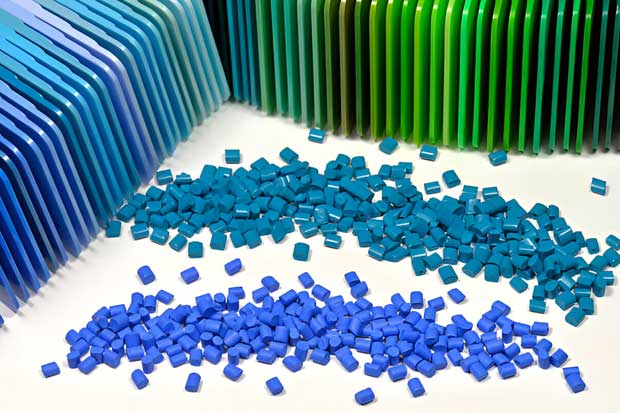
- Colorants and Additives for Identification: In some cases, additives can be used to mark or identify plastics that are part of a specific recycling stream. For example, certain dyes can help sort plastics by resin type, which is critical for improving the efficiency of sorting systems at recycling facilities.
b. Additives That Complicate Recycling
Certain additives can hinder the recycling process and reduce the quality of recycled plastics. These include:
- Flame Retardants: Many flame retardants used in plastics, particularly halogenated ones, can complicate recycling efforts because they release toxic compounds when heated. These materials can be difficult to separate and can contaminate the recycling stream. Furthermore, the presence of certain flame retardants can limit the potential applications for recycled plastics.
- Plasticizers: Plasticizers, often used to increase the flexibility of plastics, can leach out during the recycling process, reducing the quality and strength of the final recycled material. Some plasticizers are also hazardous and can contaminate recycled plastic.
- Heavy Metals and Stabilizers: Certain stabilizers or colorants that contain heavy metals (such as lead or cadmium) can make recycling plastics problematic. These substances can be toxic and require additional steps to remove during recycling, adding complexity to the process.
- Multi-layered Plastics: Many modern plastic products, such as food packaging, contain multiple layers of different types of plastics or additives, making them difficult to recycle. These layers often require specific processes to separate, and if not properly designed, they can contaminate the recycling stream.
3. Additives in Closed-Loop Recycling Systems
In a circular economy, closed-loop recycling refers to the process in which a product is recycled into the same product or a similar high-quality product. Additives play a key role in enabling plastics to be recycled in a closed-loop system, ensuring that their quality is maintained throughout the recycling process.
- Polymer Blends and Additives for Compatibility: In closed-loop recycling, it is crucial that recycled plastic maintains its original properties. Some additives, such as compatibilizers, can be added to blend different types of polymers, ensuring that recycled materials perform similarly to virgin plastics.
- Chemical Recycling Additives: Chemical recycling is a process where plastics are broken down into their monomers and other chemicals, allowing the creation of new plastic products with properties similar to virgin materials. Specific additives are being developed to improve the efficiency of chemical recycling processes, enabling the reuse of complex plastics that are difficult to recycle mechanically.
4. Designing for Circularity: Additives and Product Lifecycle
Additives can also be a key component in the design phase of plastic products, ensuring they are better suited for recycling and reuse. The role of additives in design for circularity involves:
- Simplifying Material Composition: By minimizing the use of incompatible additives or multi-layered structures, manufacturers can make products that are easier to recycle. For example, using fewer types of additives or opting for additives that do not interfere with recycling processes can enhance the recyclability of plastic products.
- Additives for Extended Product Lifespan: Some additives are designed to increase the longevity of plastic products, such as anti-UV agents that protect against degradation from sunlight. Longer-lasting products can be reused for a longer period, contributing to a more sustainable circular economy.
- Additives for Improved Reusability: Some additives enhance the ease with which plastics can be reused, particularly in applications where plastics are subject to wear and tear, such as in automotive or industrial sectors. Additives that increase resistance to abrasion, heat, and chemicals allow products to be reused multiple times, reducing the need for new materials.
5. Challenges and Innovations in Additives for Circular Plastics
As the demand for circular plastic products grows, new innovations in additives are emerging to meet these challenges:
- Biodegradable Additives: Biodegradable additives that facilitate the degradation of plastics at the end of their life are being explored, but there are concerns about their long-term efficacy and environmental impact. These innovations could play a role in reducing plastic waste and ensuring that plastics break down at the end of their lifecycle.
- Recyclable and Reusable Additives: The development of additives that do not interfere with recycling processes or contribute to contamination is a growing area of focus. Advances in designing additives that are compatible with recycling streams can make the overall plastic recycling process more efficient and sustainable.
- Regulations and Standardization: As plastic additives play a central role in the circular economy, the development of industry-wide standards and regulations that ensure compatibility with recycling processes will be essential. This includes efforts to ban harmful additives, such as certain flame retardants and heavy metals, and promote the use of more sustainable alternatives.
6. Conclusion
Plastic additives are critical to advancing the circular economy by improving the recyclability, reusability, and overall sustainability of plastics. The right additives can enhance the efficiency of recycling processes, maintain the quality of recycled materials, and extend the lifespan of plastic products. However, additives must be carefully selected and designed to avoid contamination and to ensure that they do not hinder recycling or reuse efforts. With continued innovation in the development of sustainable additives and more effective recycling technologies, the role of plastic additives in the circular economy will become even more significant, contributing to a reduction in plastic waste and a more sustainable future.