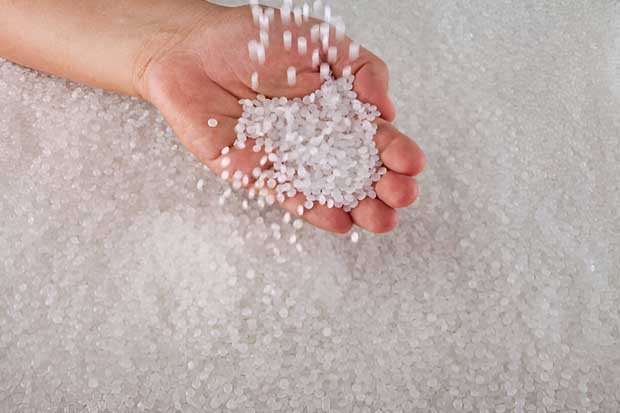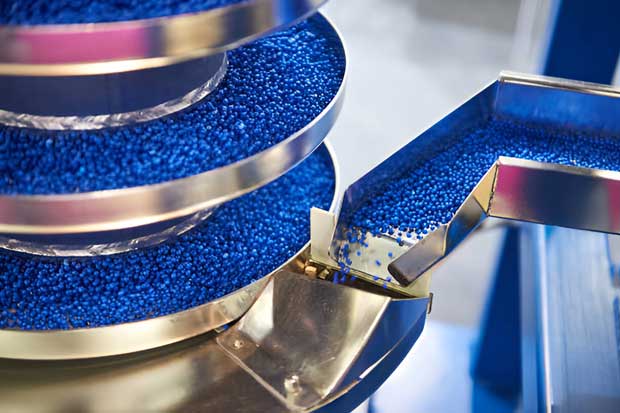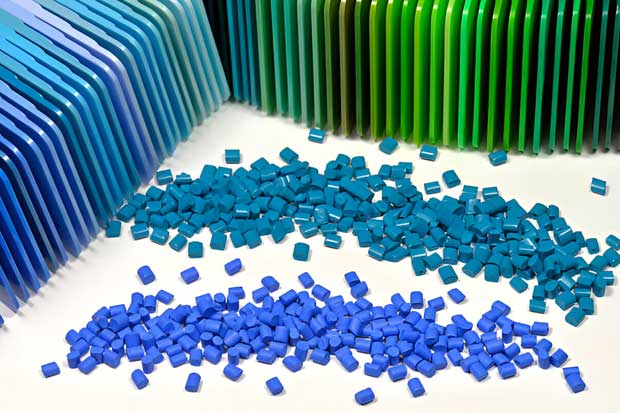
Innovations in PVC Stabilizers: Trends and Benefits in Construction and Packaging focuses on the advancements in stabilizer technologies used in the production of polyvinyl chloride (PVC), particularly in the construction and packaging industries. PVC is one of the most widely used thermoplastic materials due to its versatility, durability, and cost-effectiveness. However, like many plastics, PVC is prone to degradation under heat, light, and environmental stress. This is where stabilizers come into play. PVC stabilizers are essential additives that protect PVC from thermal, UV, and oxidative degradation during processing and throughout the material’s lifecycle. Innovations in PVC stabilizer technology have led to improved performance, sustainability, and environmental impact reduction, particularly in key industries like construction and packaging.
1. Understanding PVC Stabilizers
PVC is a highly popular plastic used in various applications, including pipes, flooring, windows, medical devices, and packaging. However, PVC is inherently sensitive to heat, light, and oxygen, which can cause it to lose its mechanical strength, discolor, and become brittle over time. PVC stabilizers are additives that protect the polymer during processing and end-use by mitigating these issues.
The main functions of PVC stabilizers include:
- Thermal Stabilization: Prevent degradation during processing by stabilizing PVC at high temperatures.
- UV Protection: Protect PVC from UV-induced degradation, particularly for outdoor applications.
- Oxidative Protection: Protect the material from oxidation caused by exposure to oxygen, especially when exposed to sunlight or high temperatures.
PVC stabilizers are crucial for enhancing the material’s durability, performance, and longevity.
2. Types of PVC Stabilizers
There are several types of stabilizers used in PVC formulation, each serving a specific function. The main categories include:
- Lead-based Stabilizers: Historically, lead compounds were commonly used as stabilizers due to their excellent performance in preventing heat degradation and oxidation. However, due to environmental and health concerns, the use of lead stabilizers has significantly decreased and is being phased out globally.
- Calcium-Zinc (Ca-Zn) Stabilizers: These are non-toxic alternatives to lead-based stabilizers and are increasingly favored for their environmental and safety benefits. Calcium and zinc compounds act as both heat and light stabilizers and can be used in a wide range of applications, including both rigid and flexible PVC.
- Barium-Zinc (Ba-Zn) Stabilizers: Barium-based stabilizers are often used in combination with zinc to improve thermal stability and resistance to UV light. They are commonly used in applications where high levels of transparency are required, such as in films and packaging.
- Organotin Stabilizers: Organotin compounds, such as tin-based stabilizers, are highly effective in preventing thermal degradation and oxidation. They are commonly used in construction materials, especially in applications that require resistance to high temperatures.
- Organic and Metallic Soap Stabilizers: These are typically used in flexible PVC formulations and are primarily used in products like flooring, roofing membranes, and medical tubing. These stabilizers work by neutralizing acids formed during PVC processing.
3. Recent Innovations in PVC Stabilizers
Recent innovations in PVC stabilizer technology focus on improving performance while addressing the growing demand for more sustainable, eco-friendly alternatives. These innovations include:
a. Lead-Free and Non-Toxic Stabilizers
The push to eliminate harmful substances from manufacturing processes has driven the development of lead-free and non-toxic PVC stabilizers. The use of calcium-zinc, barium-zinc, and mixed metal stabilizers has risen as safer alternatives to traditional lead-based stabilizers. These alternatives offer several benefits:
- Environmental Safety: Lead-free stabilizers significantly reduce the environmental impact and potential for harm to workers involved in the production process. Their use is in line with international regulatory standards aimed at reducing hazardous substances.
- Enhanced Performance: Calcium-zinc and barium-zinc stabilizers provide excellent heat and UV stability, helping to prolong the lifespan of PVC products in both indoor and outdoor applications.
- Reduced Toxicity in End-of-Life Products: Lead-free stabilizers make the recycling and disposal of PVC materials safer, reducing the risk of environmental contamination when PVC products are no longer in use.
b. Advanced Multi-Function Stabilizers
Recent trends in PVC stabilizer innovation are moving towards multifunctional stabilizers that combine various properties, reducing the need for multiple additives and improving performance:
- Combination of Heat, UV, and Oxidative Stability: New stabilizers are designed to address multiple forms of degradation (thermal, UV, and oxidative), making PVC products more durable in extreme conditions. These stabilizers are particularly useful in applications like construction profiles (windows, doors), roofing membranes, and exterior pipes, where materials are exposed to sunlight, heat, and environmental stress.
- Increased Durability: These multifunctional stabilizers improve the longevity and appearance of PVC products, particularly in outdoor applications, by reducing color fading, cracking, and brittleness.
c. Bio-Based and Eco-Friendly Stabilizers
With increasing attention on sustainability, the development of bio-based stabilizers is becoming more prominent. These stabilizers are derived from renewable resources and are seen as more environmentally friendly compared to their traditional counterparts. Bio-based stabilizers offer several key advantages:
- Reduced Carbon Footprint: By using renewable plant-based sources, bio-based stabilizers help reduce the carbon footprint of PVC products.
- Enhanced Biodegradability: Some bio-based stabilizers are designed to be more easily biodegradable at the end of a product’s life, reducing long-term environmental impact.
- Regulatory Compliance: Bio-based stabilizers meet increasing regulatory pressure to reduce the use of petrochemical-derived additives and improve sustainability practices.
d. Longer-Lasting and High-Performance Stabilizers for Packaging
PVC stabilizers in packaging applications have seen significant improvements, particularly in extending the shelf life of products and enhancing the material’s recyclability. These innovations are driven by the growing demand for sustainable packaging and food-safe materials.
- Improved UV and Heat Resistance: PVC packaging materials, such as shrink films, blister packs, and protective covers, are exposed to varying environmental conditions. Advanced stabilizers help maintain the integrity of the packaging, even under intense light and temperature fluctuations.
- High Transparency: For packaging materials where clarity is important, such as in food and beverage packaging, the development of stabilizers that preserve optical properties (like transparency) without compromising performance is an ongoing trend.
- Recyclability: Stabilizers that facilitate easier recycling and reduce contamination during the recycling process are becoming increasingly important. For example, some stabilizers are designed to degrade in a way that ensures that the PVC is easier to separate and process during recycling, supporting a more sustainable lifecycle for packaging products.
4. Benefits of Innovative PVC Stabilizers in Construction
PVC plays a crucial role in construction due to its durability, versatility, and cost-effectiveness. The development of advanced stabilizers has significantly enhanced its performance in this sector:
- Improved Durability and Lifespan: PVC products used in construction, such as pipes, windows, and siding, benefit from the improved thermal, oxidative, and UV stability provided by modern stabilizers. This results in longer-lasting products with lower maintenance costs.
- Enhanced Aesthetics: New stabilizers help reduce discoloration and fading of exterior PVC products exposed to sunlight, improving the appearance and lifespan of construction materials like cladding, window frames, and roofing systems.
- Increased Safety and Compliance: With the shift toward safer, non-toxic stabilizers, the construction industry is moving toward more environmentally responsible materials. Lead-free stabilizers help meet regulatory standards for safety and environmental protection, making PVC products safer to produce, use, and dispose of.
5. Benefits of Innovative PVC Stabilizers in Packaging
The packaging industry is another major beneficiary of innovations in PVC stabilizers. PVC is widely used in packaging due to its ability to provide strong barriers and protection for a wide range of products.
- Extended Shelf Life: Packaging made with stabilizers that enhance UV and heat resistance helps preserve the quality of products inside, particularly for sensitive items such as food, pharmaceuticals, and electronics. This reduces waste and ensures that products maintain their integrity throughout the supply chain.
- Improved Sustainability: The use of bio-based and recyclable stabilizers helps reduce the environmental impact of PVC packaging, making it a more sustainable option in an industry under increasing pressure to minimize waste.
- Cost-Effectiveness: By improving the durability and performance of PVC packaging, modern stabilizers help reduce material costs and product failures, contributing to better cost efficiency across the supply chain.
6. Conclusion
Innovations in PVC stabilizers are playing a key role in improving the performance, sustainability, and safety of PVC products, particularly in the construction and packaging industries. As demand for high-performance, environmentally friendly materials continues to grow, the development of advanced stabilizers—such as lead-free, multifunctional, bio-based, and high-performance stabilizers—will be crucial for meeting both regulatory requirements and consumer expectations. These innovations not only enhance the durability and recyclability of PVC but also ensure that it remains a valuable material in applications where safety, longevity, and environmental impact are critical considerations.